
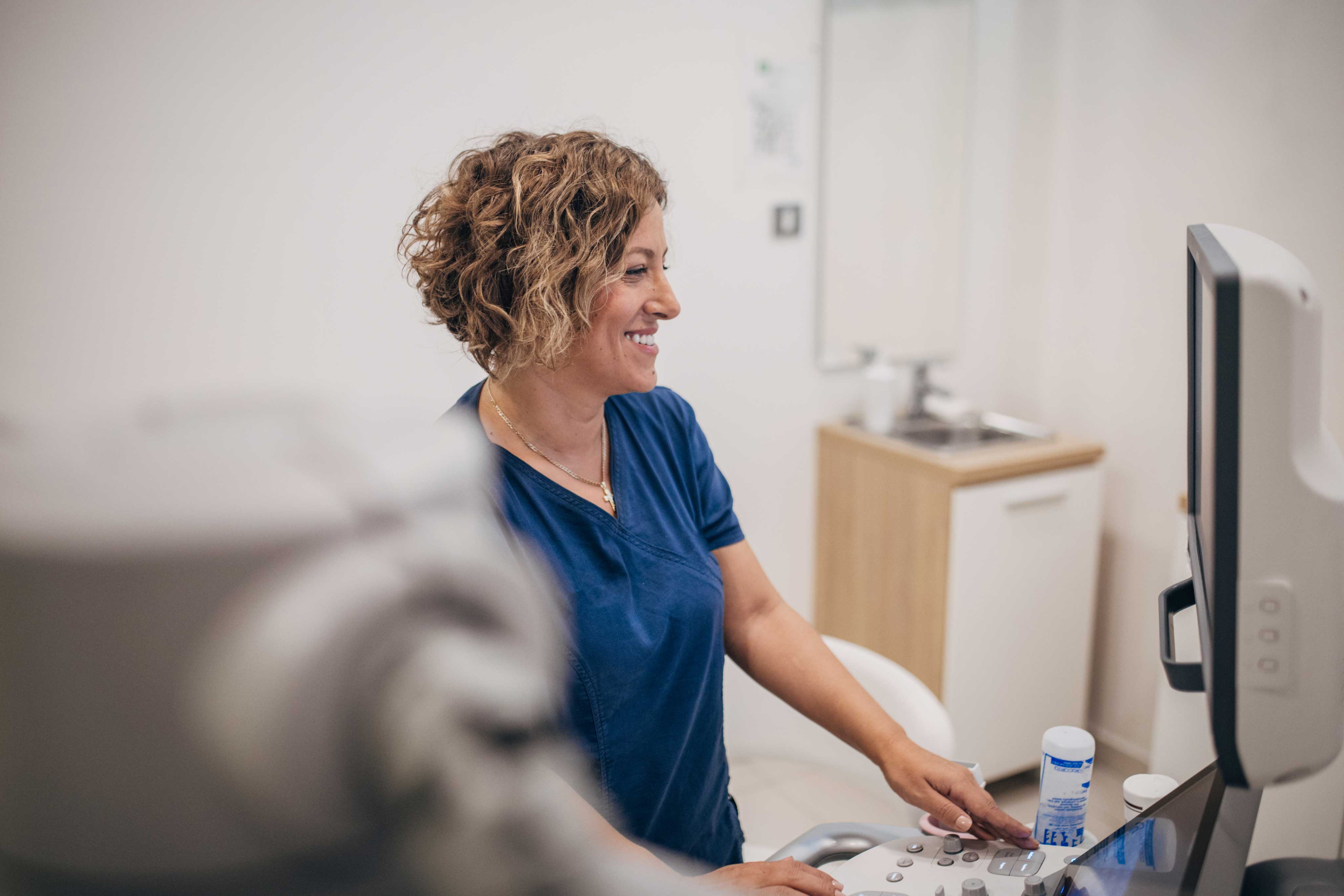
Diagnostic Medical Sonography
Vascular Sonography
Arterial and venous duplex imaging. Specialized in carotid, lower extremity, and abdominal vascular protocols for detecting DVT, stenosis, and aneurysm.
Typical Weekly Pay
$2,500–$3,300
Assignment Length
13 Weeks
Top Settings
Hospital & Vascular Lab
The Role
What you'll do on assignment.
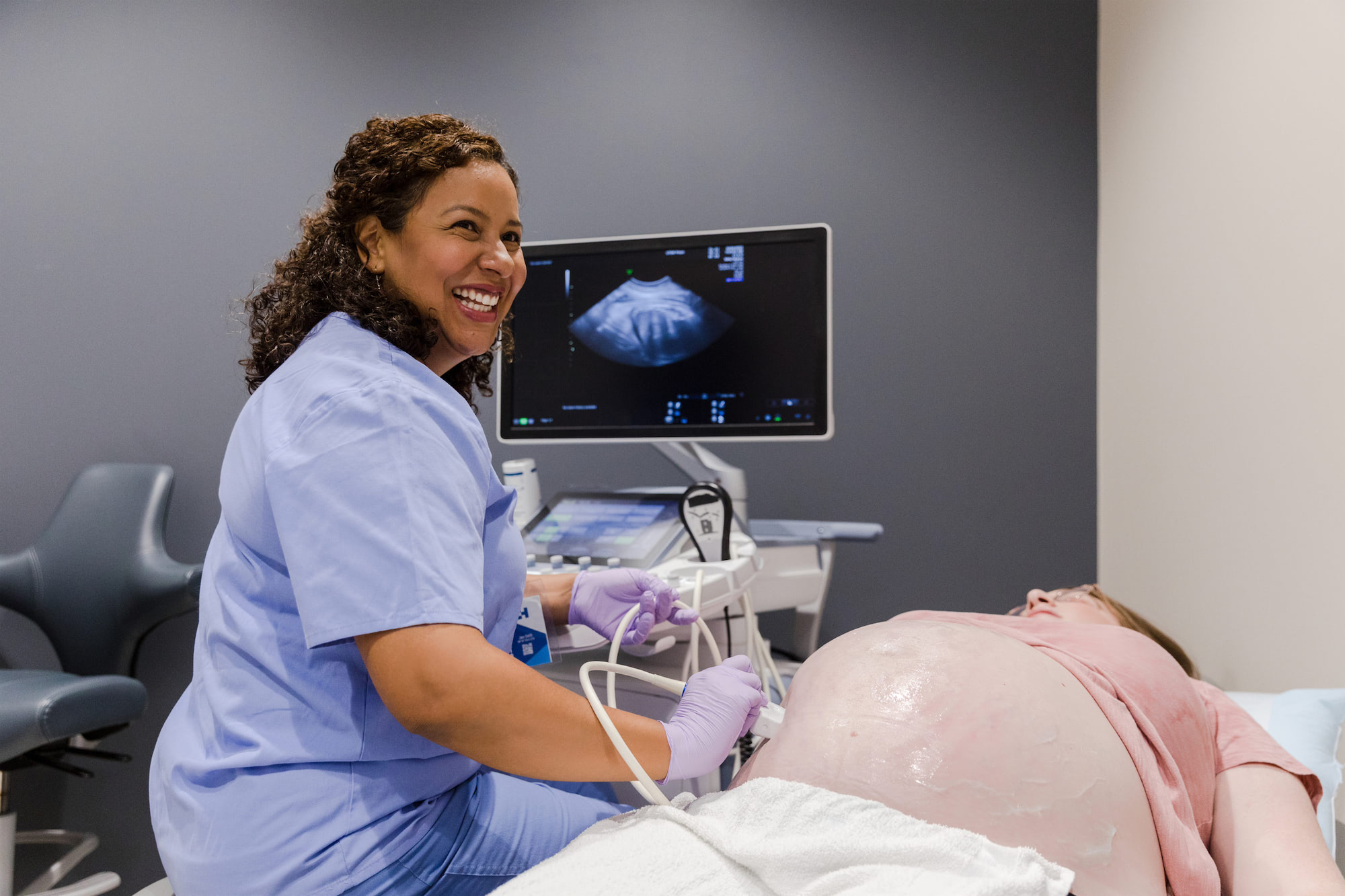
As a travel vascular sonographer, you perform non-invasive vascular studies to evaluate arterial and venous blood flow. Your duplex scans help physicians diagnose DVT, carotid stenosis, peripheral arterial disease, aortic aneurysms, and venous insufficiency.
Travel vascular assignments typically place you in hospital vascular labs, outpatient vein clinics, or interventional radiology departments. You may work alongside vascular surgeons preparing patients for intervention or monitoring post-procedural outcomes.
Because Cuready specializes in sonography, your recruiter understands the difference between a carotid duplex and an ABI — and fights to match you with assignments that use your full vascular skill set.
Why Cuready
Your specialty, our expertise.
Vascular-Specialized Recruiters
Your recruiter has placed travel vascular sonographers before. They understand RVT vs RVS credentials, know the protocols you'll be asked to perform, and ensure your assignments match your clinical expertise.
Transparent Pay, Every Time
We break down your full package from day one — base pay, housing stipend, travel reimbursement, and take-home total. No surprises mid-assignment. Your recruiter negotiates for what your credential and experience actually command.
One Contact, Every Assignment
No call centers. No handoffs. You have one dedicated recruiter from first conversation through your final paycheck — available to handle licensing questions, housing issues, or anything that comes up mid-assignment.
Requirements
Ready to travel? Here's what you need.
Required
- RVT or RVS certification — active and in good standing
- BLS certification — current AHA or equivalent
- 1+ year vascular lab experience — within the last 2 years
Preferred
- Arterial & venous duplex proficiency — carotid, LE, upper extremity
- Dialysis access mapping experience — fistula and graft evaluation
Training & Education
Your path to the field.
From accredited vascular programs to specialized registries — what the professional journey looks like for vascular sonography.
Your recruiter knows this pathway.
Because Cuready is built by healthcare professionals, we understand what each credential means and how to match your training to the right assignments.
Vascular sonographers typically complete a CAAHEP-accredited diagnostic medical sonography or vascular technology program. Coursework covers vascular anatomy, hemodynamic principles, and Doppler physics alongside clinical rotations in accredited vascular labs.
The primary credential is the RVT (Registered Vascular Technologist) from ARDMS, or the RVS (Registered Vascular Specialist) from CCI. Both are nationally recognized and qualify you for travel vascular assignments.